

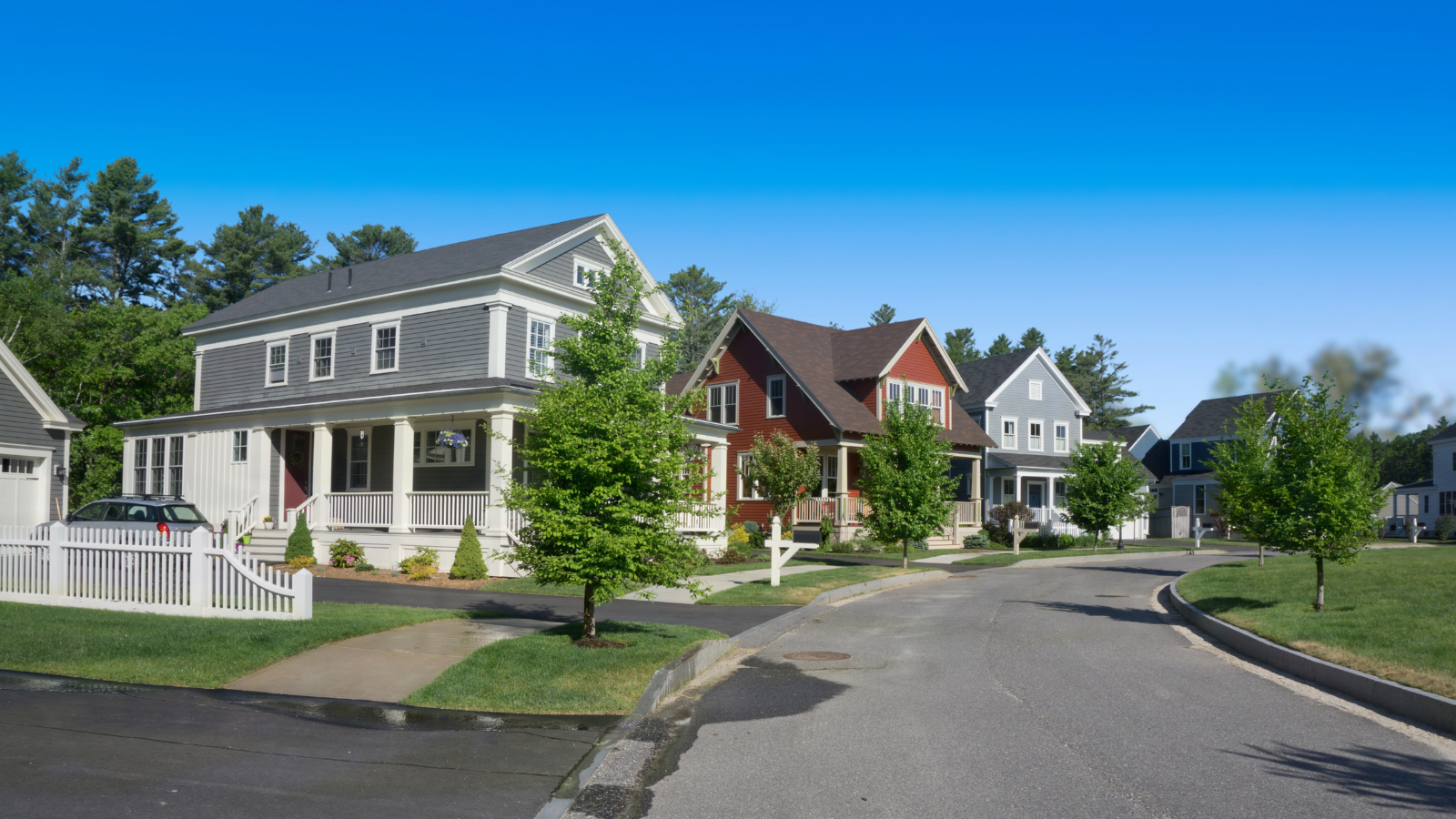
Homeowners associations (HOAs) and community associations play a vital role in maintaining the quality, organization, and long-term value of residential communities. But behind every well-run neighborhood is a structured system known as association management.
If you live in or are part of a community in Vancouver, Washington, understanding how association management works can help you make informed decisions, improve your neighborhood, and ensure smooth day-to-day operations.
What Is Association Management?
Association management refers to the professional administration and operation of residential communities, such as:
- Homeowners Associations (HOAs)
- Condominium Associations
- Townhome Communities
- Planned Unit Developments (PUDs)
It involves overseeing the financial, administrative, and operational responsibilities of a community to ensure everything runs efficiently and in compliance with governing documents and local regulations.
Key Responsibilities of Association Management
Effective association management covers a wide range of duties. These responsibilities are often handled by a board of directors, sometimes supported by professional management services.
1. Financial Management
This includes:
- Budget planning and forecasting
- Collecting dues and assessments
- Managing reserve funds
- Paying vendors and service providers
Proper financial management ensures the long-term sustainability of the community.
2. Maintenance and Operations
Association management ensures that shared spaces remain clean, safe, and functional:
- Landscaping and common area upkeep
- Repairs and preventative maintenance
- Vendor coordination (plumbing, electrical, etc.)
3. Rule Enforcement
Communities operate under governing documents such as CC&Rs (Covenants, Conditions & Restrictions). Management ensures:
- Fair enforcement of rules
- Handling violations
- Maintaining community standards
4. Administrative Support
This includes:
- Organizing board meetings
- Keeping records and documentation
- Communicating with residents
- Managing legal compliance
5. Community Engagement
Strong communities thrive on communication:
- Sending newsletters and updates
- Managing resident concerns
- Facilitating events or initiatives
Why Association Management Matters
Without proper management, communities can quickly face challenges such as financial mismanagement, neglected maintenance, or disputes among residents.
Here’s why association management is essential:
- Protects property values
- Enhances quality of life
- Ensures legal compliance
- Promotes community harmony
According to the Community Associations Institute, well-managed associations contribute significantly to homeowner satisfaction and neighborhood stability.
Self-Managed vs. Professionally Managed Associations
Communities typically choose between two approaches:
Self-Managed Associations
- Run entirely by volunteer board members
- Lower upfront costs
- Requires significant time and expertise
Professionally Managed Associations
- Supported by experienced management teams
- Streamlined processes and compliance
- Access to industry tools and vendor networks
For growing communities in Vancouver, professional management often provides efficiency, consistency, and peace of mind.
Unique Considerations for Vancouver, WA Communities
Association management in Vancouver, Washington comes with specific regional considerations:
Local Regulations
Washington State has specific laws governing HOAs, such as the Washington Uniform Common Interest Ownership Act (WUCIOA).
Learn more: https://app.leg.wa.gov/rcw/default.aspx?cite=64.90
Climate and Maintenance Needs
The Pacific Northwest climate requires:
- Regular roof and gutter maintenance
- Mold and moisture prevention
- Landscaping suited for rainy seasons
Growing Communities
Vancouver’s expanding residential developments mean:
- Increasing demand for structured management
- Greater need for financial planning and infrastructure upkeep
Signs Your Community May Need Professional Association Management
If your HOA is experiencing any of the following, it may be time to consider professional support:
- Delayed maintenance or unresolved repairs
- Financial inconsistencies or lack of transparency
- Poor communication with residents
- Frequent disputes or rule enforcement issues
- Board member burnout
How Association Management Supports Board Members
Board members are volunteers who often juggle multiple responsibilities. Association management helps by:
- Providing expert guidance
- Handling day-to-day operations
- Reducing administrative workload
- Ensuring compliance with laws and regulations
This allows board members to focus on strategic decisions rather than operational stress.
Choosing the Right Association Management Partner
If your community is exploring professional management, consider the following:
- Experience with local Vancouver communities
- Transparent financial reporting
- Strong communication systems
- Vendor and maintenance coordination capabilities
- Proven track record
A reliable partner – like Real Property Management Vancouver – can help communities operate more efficiently while maintaining a high standard of living.
Final Thoughts
Association management is more than just handling tasks – it’s about creating a well-functioning, thriving community where residents feel comfortable, informed, and proud to live.
Whether your community is self-managed or considering professional support, understanding the fundamentals of association management is the first step toward long-term success.
If you’re looking to learn more about how your association can improve operations, financial health, and resident satisfaction, exploring trusted local resources is always a smart next move.
This content is provided for general informational and educational purposes only and does not constitute financial, legal, tax, or investment advice. Readers should consult with licensed professionals regarding their specific circumstances.
We are pledged to the letter and spirit of U.S. policy for the achievement of equal housing opportunity throughout the Nation. See Equal Housing Opportunity Statement for more information.
