

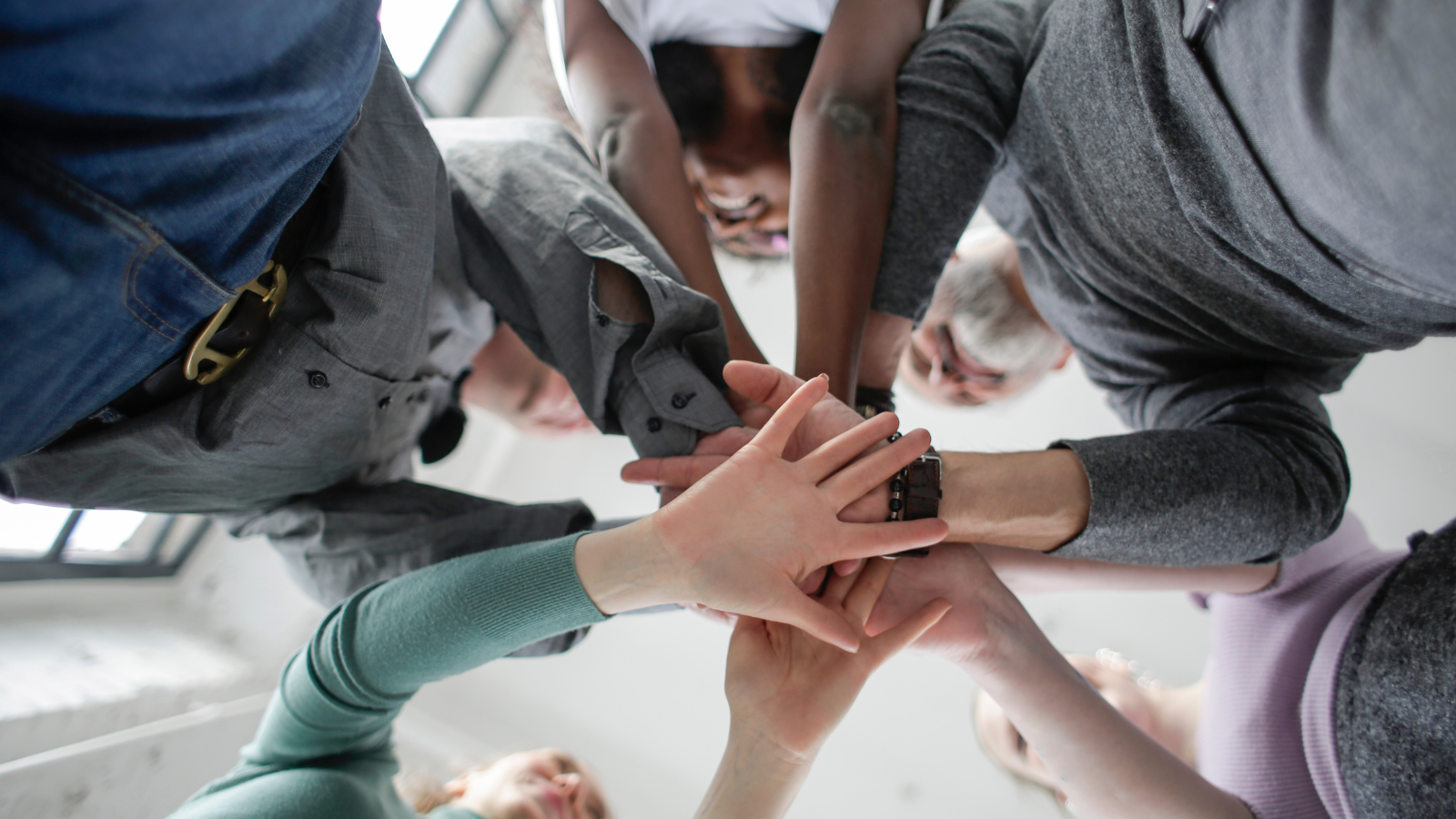
Spring is a season of renewal, making it the perfect time for homeowners associations (HOAs) to strengthen community engagement and encourage residents to become more involved in neighborhood activities.
For HOA boards in Vancouver, Washington, community participation is more than just attendance at meetings—it’s about building stronger relationships, improving communication, and creating a more connected and cooperative neighborhood environment.
When residents feel engaged and included, communities often experience better communication, increased pride of ownership, and smoother HOA operations overall.
Why Community Participation Matters in HOA Communities
Active homeowner involvement helps communities thrive.
Benefits of Strong Community Participation:
- Builds stronger relationships among neighbors
- Encourages transparency and trust
- Improves communication between boards and residents
- Increases volunteer support for community projects
- Creates a stronger sense of belonging
Communities with engaged residents often experience fewer conflicts and higher homeowner satisfaction.
According to the Community Associations Institute, resident engagement is one of the key factors in successful community associations.
Why Spring Is the Best Time to Boost Engagement
Spring naturally brings residents outdoors and increases neighborhood activity.
Seasonal advantages include:
- Better weather for outdoor events
- Increased visibility of community projects
- Opportunities for seasonal cleanups and improvements
- Renewed energy after winter months
This makes spring an ideal time for HOA boards to reconnect with residents and encourage participation.
Improve Communication with Residents
One of the biggest barriers to community participation is lack of communication.
HOA boards should focus on:
- Consistent updates
- Clear and transparent messaging
- Multiple communication channels
Effective communication tools include:
- Email newsletters
- HOA portals or websites
- Social media groups
- Community bulletin boards
- Text alerts for important updates
Residents are more likely to participate when they feel informed and included.
Organize Spring Community Events
Events are one of the best ways to bring neighbors together.
Spring HOA Event Ideas:
- Community cleanup days
- Landscaping or gardening workshops
- Neighborhood garage sales
- Outdoor movie nights
- Seasonal festivals or picnics
- Volunteer beautification projects
Events help create opportunities for residents to interact in a positive and relaxed setting.
Encourage Volunteer Opportunities
Not every homeowner wants to join the board—but many are willing to contribute in smaller ways.
Ways Residents Can Help:
- Join landscaping or social committees
- Assist with event planning
- Participate in welcome committees
- Help with community newsletters or communication
Offering flexible volunteer opportunities can increase participation without overwhelming residents.
Make HOA Meetings More Accessible and Engaging
Many HOA meetings struggle with low attendance because residents view them as unproductive or overly formal.
Ways to Improve Participation:
- Keep meetings organized and concise
- Share agendas in advance
- Allow homeowner input and discussion
- Offer virtual attendance options when possible
- Focus on topics relevant to residents
A welcoming meeting environment can significantly improve engagement.
Recognize and Appreciate Community Involvement
People are more likely to stay involved when their efforts are acknowledged.
Recognition Ideas:
- Spotlight homeowners in newsletters
- Thank volunteers publicly
- Celebrate community improvements
- Create seasonal homeowner appreciation initiatives
Simple gestures can go a long way toward strengthening participation.
Gather Feedback from Residents
Residents want to feel heard—not just informed.
Consider:
- Community surveys
- Suggestion boxes
- Online polls
- Open forums during meetings
Feedback helps HOA boards better understand resident priorities and concerns.
Use Spring Projects to Build Collaboration
Seasonal improvement projects can naturally encourage participation.
Examples:
- Community gardening projects
- Park or playground improvements
- Tree planting initiatives
- Spring landscaping upgrades
Collaborative projects help create a shared sense of ownership and pride.
Create a Welcoming Environment for New Residents
New homeowners may feel disconnected if there’s no clear introduction to the community.
Helpful onboarding ideas:
- Welcome packets
- Introductory emails or meetings
- Invitations to community events
- Information about HOA rules and resources
A strong first impression can encourage long-term involvement.
Address Common Barriers to Participation
Some residents may avoid participation because they:
- Feel their input doesn’t matter
- Don’t understand HOA processes
- Have busy schedules
- Fear conflict or tension
HOA boards can improve participation by creating an atmosphere that feels approachable, respectful, and collaborative.
Leverage Technology for Better Engagement
Technology can make communication and participation easier.
Useful tools may include:
- Online payment portals
- HOA communication apps
- Virtual meetings
- Community social platforms
Digital accessibility helps keep residents connected, even with busy schedules.
The Role of Professional HOA Management
Encouraging community participation requires time, organization, and consistent communication.
Professional management support can help with:
- Coordinating community events
- Managing communications and newsletters
- Organizing meetings and homeowner outreach
- Supporting volunteer initiatives
- Streamlining resident feedback systems
An experienced local provider like Real Property Management Vancouver can help HOA boards improve engagement while reducing administrative burdens.
Additional Community Engagement Resources
For additional HOA leadership and community-building resources, visit CAI
The Community Associations Institute provides educational materials and best practices for HOA boards and community leaders.
Final Thoughts
Strong community participation can transform an HOA from simply a managed neighborhood into a connected and thriving community.
For HOA boards in Vancouver, Washington, spring offers the perfect opportunity to encourage involvement, strengthen communication, and build positive relationships among residents.
By creating opportunities for engagement, recognizing homeowner contributions, and maintaining transparent communication, HOA boards can foster a more cooperative and enjoyable living environment for everyone.
If your association is looking for ways to improve communication, streamline operations, or strengthen community involvement, exploring trusted local resources can be a valuable next step.
This content is provided for general informational and educational purposes only and does not constitute financial, legal, tax, or investment advice. Readers should consult with licensed professionals regarding their specific circumstances.
We are pledged to the letter and spirit of U.S. policy for the achievement of equal housing opportunity throughout the Nation. See Equal Housing Opportunity Statement for more information.
