

Owning rental property can be a rewarding investment, offering long-term appreciation and steady income. However, after purchasing an investment property, landlords must decide: Should you manage it yourself or hire a professional property manager? Many landlords start by self-managing to save money. While this can work for some, it’s critical to understand the true costs, responsibilities, and risks before deciding.
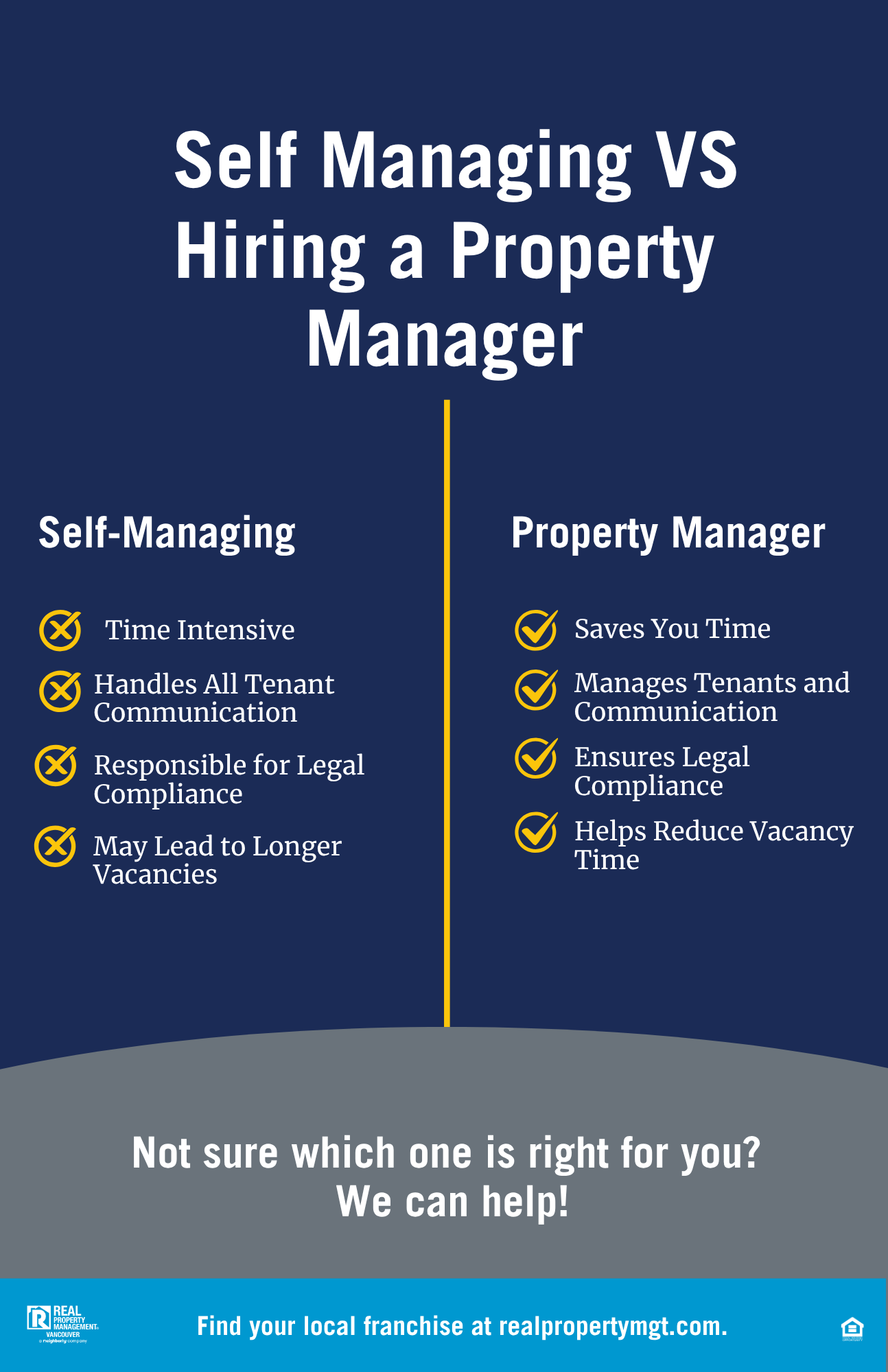
At first glance, self-management seems simple: collect rent and handle maintenance. In reality, it requires constant attention to multiple tasks, including:
- Marketing and advertising vacancies
- Responding to rental inquiries
- Screening tenants and conducting background checks
- Drafting and enforcing lease agreements
- Collecting rent and tracking payments
- Handling maintenance requests and repairs
- Coordinating with vendors and contractors
- Managing tenant communication and disputes
- Ensuring compliance with local, state, and federal housing laws
For landlords with only one property or those living nearby, these responsibilities may be manageable. As portfolios grow or other commitments arise, self-management quickly becomes more demanding.

The Hidden Costs of Self-Managing Rental Property
Many landlords believe self-management is the cheapest option because it avoids management fees. However, several hidden costs can impact your bottom line:
Time Commitment
Managing a rental property is time-consuming. Advertising vacancies, showing units, screening tenants, and coordinating repairs can take multiple hours each week, particularly during tenant turnover.
Vacancy Losses
Extended vacancies are a major risk. Experienced property managers use proven marketing strategies and rental platforms to fill units more quickly. Each month a property sits empty means lost income and increased carrying costs.
Legal Compliance Risks
Rental laws vary by region and are often complex. Landlords must stay current on regulations involving:
- Fair housing
- Security deposits
- Notice periods
- Eviction processes
- Habitability standards
Errors can lead to legal disputes, fines, or delays in removing problematic tenants.
Maintenance and Vendor Management
Maintenance issues are inevitable. Self-managing landlords must source dependable vendors and sometimes handle urgent repairs after hours. Without established relationships, costs can be higher and response times slower.
When Does Self-Management Make Sense?
Self-management can be advantageous if:
- You live near your rental property
- You have solid experience with tenant screening and lease agreements
- Trusted contractors are available
- You own a small number of properties
- You can respond to tenant needs quickly
For hands-on investors who enjoy active involvement, self-management offers greater control and potential savings.

When Hiring a Property Manager Is the Better Choice
As portfolios expand or landlords seek a more passive investment, professional property management often becomes more valuable. A property manager can:
- Market units and minimize vacancy periods
- Conduct rigorous tenant screening
- Manage rent collection and detailed financial reporting
- Oversee maintenance and vendor relationships
- Ensure full legal compliance
- Handle tenant communication and disputes
The time savings and reduced stress typically outweigh the cost of management fees for many investors.
Frequently Asked Questions About Self-Managing
Often, it’s the time commitment, which can impact your primary job or personal life.
They stay current with local laws and handle compliance, reducing the risk of lawsuits or fines.
Self-management may work well for one property if you have the time and resources.
Use multiple online rental platforms, respond quickly to inquiries, and keep the unit in excellent condition.
Yes, many landlords start by self-managing and transition to professional management as their needs change.
Striking the Right Balance for Your Investment
If you’re uncertain about self-managing, contact Real Property Management Vancouver to discuss your options. Our property management team can help you evaluate your property, understand potential costs, and determine the best approach to support your long-term investment goals.
This content is provided for general informational and educational purposes only and does not constitute financial, legal, tax, or investment advice. Readers should consult with licensed professionals regarding their specific circumstances.
We are pledged to the letter and spirit of U.S. policy for the achievement of equal housing opportunity throughout the Nation. See Equal Housing Opportunity Statement for more information.
