

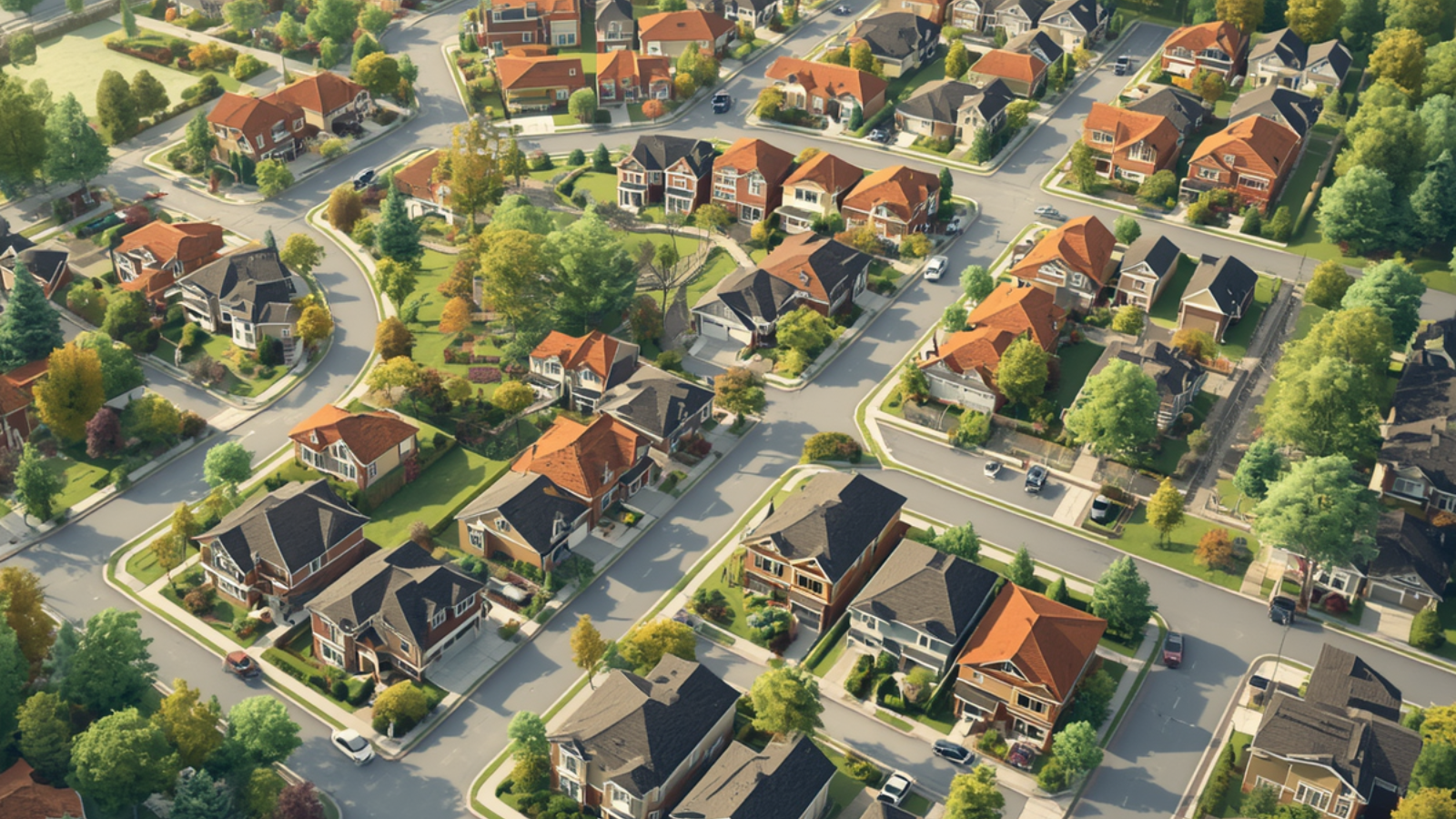
Summer is often one of the busiest seasons for homeowners associations (HOAs). In Vancouver, Washington, warmer temperatures, longer daylight hours, and increased resident activity create the perfect opportunity to complete maintenance projects, improve community amenities, and prepare properties for the seasons ahead.
However, summer weather also presents unique challenges that HOA boards must consider when planning maintenance activities. From irrigation management and landscaping demands to exterior repairs and wildfire preparedness, understanding how Vancouver’s summer climate affects community infrastructure can help associations make smarter decisions and avoid costly surprises.
A proactive summer maintenance plan can protect property values, improve resident satisfaction, and help communities stay ahead of future repair needs.
Understanding Vancouver’s Summer Climate
Unlike many areas that experience extreme heat and prolonged drought, Vancouver enjoys relatively mild summers. However, the region still experiences conditions that can significantly impact community maintenance planning.
Typical Summer Weather in Vancouver Includes:
- Warm temperatures ranging from the 70s to 90s°F
- Extended periods of dry weather
- Increased UV exposure
- Occasional heat waves
- Elevated wildfire smoke risks
- Higher water usage demands
While these conditions may seem ideal, they can place stress on landscaping, irrigation systems, building exteriors, and community amenities.
Why Summer Is a Critical Season for HOA Maintenance
Summer provides ideal conditions for many projects that are difficult to complete during the rainy months.
Common Summer HOA Projects Include:
- Exterior painting
- Roof inspections and repairs
- Asphalt and pavement maintenance
- Landscaping improvements
- Irrigation system upgrades
- Playground and recreational facility maintenance
Because contractor availability is often limited during peak summer months, early planning is essential.
Landscaping Requires Increased Attention
One of the most visible impacts of summer weather is on community landscaping.
Common Summer Landscaping Challenges:
- Dry lawns and brown patches
- Increased irrigation demands
- Weed growth
- Plant stress during heat waves
- Tree maintenance needs
HOA boards should work with landscaping vendors to develop watering schedules that balance plant health with water conservation.
Consider:
- Drought-tolerant plants
- Native Pacific Northwest landscaping
- Smart irrigation systems
- Mulching to retain moisture
Proper landscaping management helps preserve curb appeal while controlling costs.
Irrigation Systems Need Regular Monitoring
Summer places the greatest demand on irrigation systems.
Key Areas to Inspect:
- Broken sprinkler heads
- Water pressure issues
- Timer malfunctions
- Leaks and damaged pipes
- Overspray onto sidewalks and streets
Even minor irrigation problems can lead to significant water waste and higher utility expenses.
Routine inspections throughout the summer can help identify issues before they become costly repairs.
Exterior Building Surfaces Face Seasonal Wear
Summer sunlight and heat can accelerate deterioration of building materials.
Areas That May Be Affected:
- Paint and exterior finishes
- Vinyl siding
- Wooden fences
- Deck surfaces
- Community signage
UV exposure can cause fading, cracking, and weather-related damage over time.
Summer is often the best season to schedule:
- Painting projects
- Power washing
- Sealant applications
- Exterior inspections
Roof and Gutter Maintenance Remains Important
While winter storms often receive the most attention, summer is an ideal time to inspect roofing systems.
Summer Roof Maintenance Checklist:
- Inspect shingles and flashing
- Identify areas of heat-related wear
- Check for signs of water damage from prior seasons
- Remove debris from gutters and drainage systems
Addressing minor roofing concerns during summer can help prevent major issues during fall and winter rains.
Pavement and Asphalt Can Be Impacted by Heat
Parking lots, private roads, and sidewalks are valuable HOA assets that require ongoing attention.
Summer Maintenance Opportunities:
- Crack sealing
- Asphalt resurfacing
- Line striping
- Sidewalk repairs
Warm weather provides ideal conditions for pavement repairs because materials cure more effectively during dry conditions.
Delaying these projects can allow small cracks to expand during colder months.
Community Amenities Experience Increased Usage
Summer often brings increased use of community amenities.
Common Areas That Need Additional Attention:
- Pools and splash pads
- Clubhouses
- Parks and playgrounds
- Walking trails
- Picnic areas
Higher usage means increased wear and tear, requiring more frequent inspections and maintenance.
Regular monitoring helps ensure these spaces remain safe and enjoyable for residents.
Wildfire Smoke and Air Quality Considerations
Although Vancouver is not typically located in high-risk wildfire zones, summer wildfire smoke from surrounding regions can impact local air quality.
HOA boards may want to:
- Monitor air quality advisories
- Communicate updates to residents
- Evaluate HVAC systems in community buildings
- Consider outdoor event modifications during poor air quality periods
For air quality updates and emergency preparedness information, visit Airnow. The AirNow provides real-time air quality information and forecasts.
Summer Is an Ideal Time for Preventive Maintenance
Preventive maintenance helps reduce unexpected repair costs and extend the lifespan of community assets.
Recommended Preventive Tasks:
- Building inspections
- Tree health assessments
- Drainage evaluations
- Fence and gate inspections
- Lighting system checks
By identifying issues early, HOA boards can often avoid larger capital expenditures later.
Budgeting for Seasonal Maintenance
Summer projects often represent a significant portion of an HOA’s annual maintenance budget.
Boards should review:
- Reserve fund allocations
- Vendor contracts
- Planned capital improvements
- Emergency repair contingencies
Proper budgeting ensures necessary projects can be completed without unexpected financial strain.
Communicating Maintenance Plans with Residents
Many homeowner complaints can be avoided through proactive communication.
Before starting major summer projects, HOA boards should inform residents about:
- Project timelines
- Temporary disruptions
- Safety precautions
- Expected benefits of the work
Clear communication helps manage expectations and improve community cooperation.
The Role of Professional HOA Management
Coordinating summer maintenance projects can be complex, especially for volunteer HOA boards.
Professional management support can assist with:
- Maintenance scheduling
- Vendor coordination
- Budget planning
- Resident communications
- Project oversight
- Preventive maintenance planning
An experienced local provider like Real Property Management Vancouver can help communities stay organized and proactive throughout the summer season.
Final Thoughts
Summer presents both opportunities and challenges for HOA communities in Vancouver, Washington. From landscaping and irrigation management to building maintenance and resident communication, careful planning can make a significant difference in community appearance, safety, and long-term financial health.
By understanding how Vancouver’s summer weather affects common area infrastructure and maintenance needs, HOA boards can make informed decisions that protect property values and improve the resident experience.
If your association is looking for guidance on maintenance planning, budgeting, or community management best practices, exploring local resources and professional support can help position your community for long-term success.
This content is provided for general informational and educational purposes only and does not constitute financial, legal, tax, or investment advice. Readers should consult with licensed professionals regarding their specific circumstances.
We are pledged to the letter and spirit of U.S. policy for the achievement of equal housing opportunity throughout the Nation. See Equal Housing Opportunity Statement for more information.
