

Successful rental property ownership depends on more than maintenance and curb appeal. To keep your property consistently leased, you need to understand who your renters are, what they value and how their preferences shift across different markets.
With single family rentals projected to increase by nearly eight million homes between 2018 and 2030, according to the National Multifamily Housing Council, the competition for qualified tenants continues to grow. Owners who truly know their target market are the ones who maintain stable occupancy and long term returns.
Who Is Most Likely to Rent?

Young adults remain the most common group of renters nationwide. Research from Harvard University’s Joint Center for Housing Studies shows that 78 percent of households under age 25 rent their homes. This trend reflects the lifestyle of younger adults who often prioritize mobility, flexible employment, or the freedom to move without the financial commitment of homeownership. With rising home prices and higher borrowing costs, renting is often the more feasible option.
Although young adults maintain a strong presence in the rental market, renters extend across every age group. Two thirds of individuals between ages 25 and 30 continue to rent, while one third of people over age 40 and one fifth of people over age 55 also rent. Many older adults choose renting for the simplicity of maintenance free living and the financial stability it offers during fluctuating economic conditions.
Who Prefers Single Family Rentals?
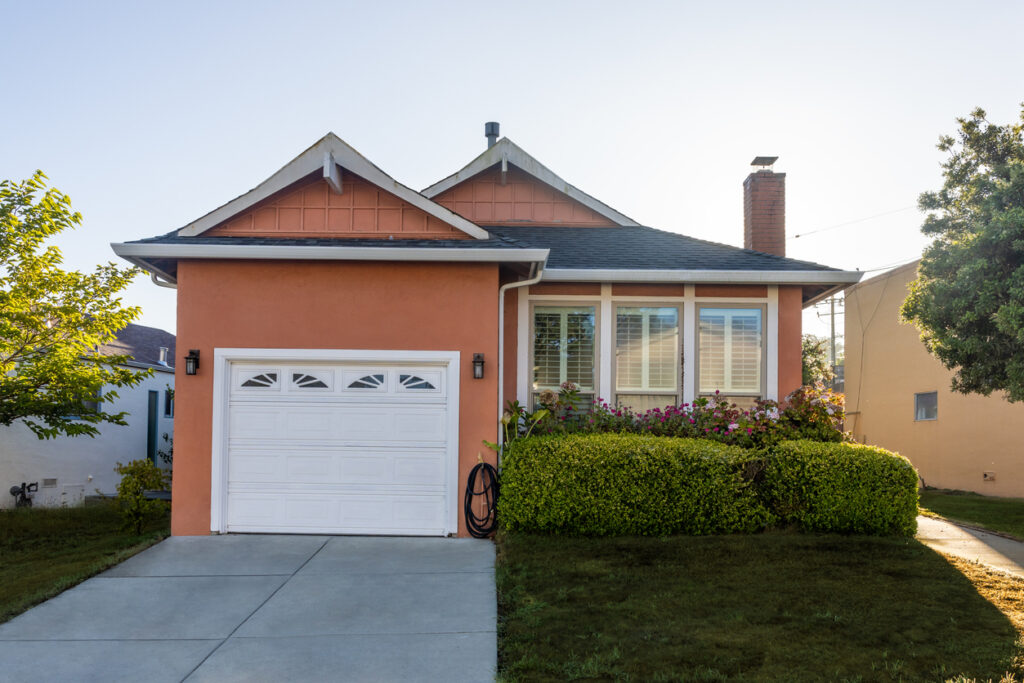
While renters span every age group, the demand for certain types of rentals varies by region. Single family rental homes are especially popular in the South and West, where they outnumber multifamily units. In contrast, the East and parts of the Midwest are dominated by multifamily rental properties.
Single family homes attract a wide range of tenants for different reasons. These homes appeal to families who want more space, private yards, and a suburban environment for raising children or caring for pets. They also attract young professionals seeking quieter neighborhoods and older adults looking for privacy and low maintenance living. In college towns or retirement hubs, single family rentals often draw both younger and older renters for entirely different lifestyle needs.
Understanding what matters most to each demographic helps property owners make informed decisions about amenities, rent levels, marketing messages and even interior updates.
Why Knowing Your Market Matters
Identifying the demographics that drive your local rental market helps you meet renter expectations and keep your property occupied year round. When you understand what renters prioritize, you can better highlight the features of your home that match their needs.
Examples include:
• Younger renters may value proximity to work and public transit
• Families often prioritize school districts and space
• Older renters may look for minimal maintenance, quiet neighborhoods and safety
Staying in tune with these preferences helps you attract long term tenants who appreciate your property and remain loyal.
When Local Expertise Makes a Difference
In some markets, particularly developing or remote areas, it can be challenging to clearly identify your target demographic. This is where partnering with a local rental expert becomes invaluable. A knowledgeable property management team can provide insights into renter behavior, market demand and competitive positioning while helping you prepare your rental and find qualified tenants.
Real Property Management Vancouver offers the expertise, data and hands on support needed to connect your property with the right renters. With professional guidance, you can strengthen your marketing strategy, enhance your tenant pipeline and maintain consistent occupancy with confidence.
This content is provided for general informational and educational purposes only and does not constitute financial, legal, tax, or investment advice. Readers should consult with licensed professionals regarding their specific circumstances.
We are pledged to the letter and spirit of U.S. policy for the achievement of equal housing opportunity throughout the Nation. See Equal Housing Opportunity Statement for more information.
